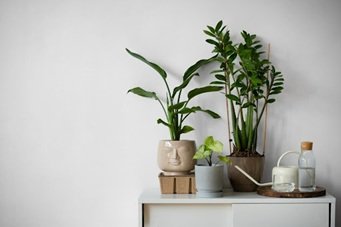
In a world filled with notifications, deadlines, and constant noise, many people are rediscovering something surprisingly simple as a source of calm: indoor gardening.
Caring for plants offers a quiet pause in the day, a moment where attention shifts away from screens and toward something living and steady.
You don’t need a greenhouse or even much space to experience the mental health benefits of gardening. With the right tools and materials, indoor gardening can become an accessible form of everyday stress relief.
Why indoor gardening feels therapeutic
Plants encourage slow, mindful interaction. Watering, pruning, and observing new growth require patience rather than urgency. These small routines create structure, which psychologists often link to reduced anxiety and improved emotional regulation.
Unlike many hobbies that demand performance or perfection, plants grow gradually. Progress is subtle, reminding us that change doesn’t have to be immediate to be meaningful.
Even a single plant on a windowsill can introduce a sense of responsibility and connection that grounds daily life.
Vertical gardens: Greenery without the clutter
One of the biggest barriers to indoor gardening is space. Apartments and smaller homes often lack room for multiple pots, which can make gardening feel impractical. This is where vertical gardening becomes especially valuable.
A unique DIY vertical garden uses wall space instead of floor space, allowing plants to grow upward through mounted planters, hanging systems, or tiered shelves. Beyond practicality, they also create a calming visual effect. A living wall or plant display softens hard interior lines and brings a sense of nature indoors without overwhelming the room.
Choosing the right growing medium
One of the most overlooked factors in indoor gardening success is what plants grow in. Traditional potting soil can sometimes feel heavy and difficult to manage indoors, especially in small apartments where spills and pests are a concern.
Many indoor gardeners now use coco coir, a natural material made from coconut husks, as part of their planting mix. Its light texture improves airflow around roots while retaining moisture effectively, helping plants stay hydrated without frequent watering.
For beginners, this balance can reduce plant care stress, and fewer watering mistakes often mean healthier plants and more confidence.
Coco coir is also cleaner to handle than dense soil, making indoor planting feel less intimidating and more enjoyable.
Essential tools that simplify plant care
You don’t need an elaborate setup to start gardening indoors. A few thoughtful tools can make the process smoother and more relaxing.
Some of the helpful basics include a small watering can with a narrow spout for controlled watering, pruning scissors for trimming dead leaves, and spray bottles for humidity-loving plants. Additionally, you should get some lightweight pots with drainage holes and a moisture meter to avoid overwatering.
Having dedicated tools turns plant care into a ritual rather than a chore. Many gardeners find that simply preparing their watering tools signals a mental shift into a calmer state.
Lighting: Supporting growth and mood
Light plays a major role in both plant health and human well-being. Placing plants near natural light sources not only helps them thrive but also encourages you to spend time in brighter areas of your home.
If natural sunlight is limited, small grow lights can support plant growth during darker months. The soft glow often adds warmth to a room, creating a cozy environment that feels intentionally designed rather than purely functional.
Low-maintenance plants for stress-free gardening
Choosing forgiving plants is key when gardening for relaxation rather than productivity.
For beginners, some of the great options include snake plants, pothos, ZZ plants, peace lilies, and spider plants.
These varieties tolerate inconsistent watering and adapt well to indoor conditions, reducing the pressure to “get everything right.”
Designing a calm plant corner
Another great thing is that you don’t need dozens of plants to feel the psychological benefits. A small, intentional plant corner can have a powerful effect on mood.
Try grouping plants with natural textures like wood or woven baskets, neutral-colored pots for a calming aesthetic, soft lighting nearby, and comfortable seating if space allows.
The goal isn’t perfection but creating a space that invites you to slow down.
Growing calm, one plant at a time
Indoor gardening offers something rare: a hobby that asks very little yet gives back consistently. With supportive materials like coco coir, simple tools, and realistic plant choices, gardening becomes less about maintenance and more about mindfulness.
In caring for plants, many people discover they are also caring for their own well-being, nurturing patience, focus, and moments of quiet in everyday life.