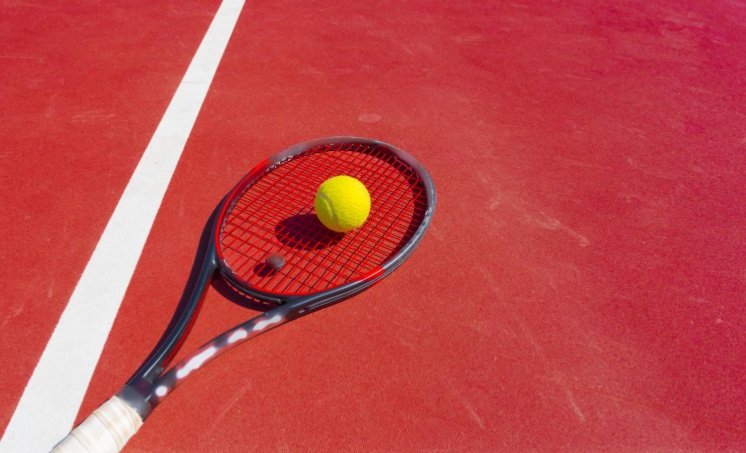
A well-maintained tennis court does more than look good — it ensures safe play, consistent performance, and long-term durability.
Whether you manage a private court, sports facility, or community complex, year-round maintenance is essential to protect your investment and avoid costly repairs.
By following a structured maintenance routine throughout the seasons, you can keep your tennis court in excellent condition and significantly extend its lifespan.
Why year-round tennis court maintenance matters
Tennis courts are constantly exposed to weather, debris, moisture, and regular foot traffic. Without consistent care, small issues such as dirt buildup or minor cracks can quickly turn into expensive structural problems.
Proper maintenance helps improve player safety by reducing slip hazards and maintaining consistent ball bounce and court performance. Additionally, it prevents surface deterioration and reduces long-term repair and resurfacing costs.
Regular attention ensures your court remains playable and visually appealing all year.
Understand your court surface type
Before you roll up your sleeves, you should know that maintenance needs vary by court surface type.
For instance, hard courts (acrylic or concrete) require regular cleaning and crack monitoring to prevent water penetration and surface damage. Clay courts, on the other hand, need frequent brushing, watering, and leveling to maintain even play conditions.
We have grass courts which demand mowing, irrigation, and seasonal turf care. And finally, synthetic or artificial turf courts require debris removal and occasional brushing to maintain proper infill distribution.
Understanding your surface helps you apply the right maintenance methods and avoid unnecessary wear.
Net, fence, and equipment maintenance
Court maintenance goes beyond the playing surface. You should also regularly inspect the net height and tension, fence stability, and rust spots. Don’t forget court lighting systems, electrical components, and court accessories such as benches and scoreboards.
Modern facilities often use LED tennis court lights, which require less maintenance than traditional lighting but should still be checked periodically for alignment, wiring integrity, and consistent illumination.
Properly maintained LED lighting improves visibility, enhances player safety during evening games, and reduces long-term energy costs.
Weekly maintenance essentials
Ideally, you should maintain your tennis court weekly. Simple weekly tasks can prevent major issues from developing.
Key routine tasks should include removing leaves, dirt, and debris using a blower or soft broom. Then, inspect the surface for cracks or uneven areas, check net tension and alignment. Also, you should clear the drains and the surrounding areas.
Consistency is more important than intensity — small efforts performed regularly make the biggest difference.
Seasonal maintenance checklist
Seasonal maintenance of the tennis courts is also crucial because each season presents unique challenges.
Spring
Winter conditions often leave behind debris and moisture damage. Spring maintenance should focus on deep cleaning the court surface, inspecting for cracks or peeling coatings, and repairing minor surface issues early.
Summer
Heat and UV exposure can stress court materials. That’s why you should wash the surface periodically to remove dust buildup. Additionally, monitor fading or drying surfaces, and ensure proper hydration for clay or grass courts.
Fall
Falling leaves and organic matter can stain and trap moisture. It’s essential to remove leaves frequently, as doing so prevents the growth of mold and algae. Also, check drainage systems before heavy rains.
Winter
Cold weather also requires protective measures. Remove snow carefully using non-metal tools. Avoid harsh de-icing chemicals that damage coatings, and inspect fencing and equipment after storms.
Cleaning techniques that extend court life
Believe it or not, but cleaning is one of the most effective ways to prolong a tennis court’s lifespan.
Some of the best practices include using low-pressure washing instead of aggressive power washing. Make sure to apply approved cleaners to remove algae or mold, and avoid abrasive tools that wear down coatings.
Routine washing prevents buildup that can make courts slippery and unsafe.
Professional maintenance vs DIY care
If you’re wondering if DIY care is enough, the answer is yes. Many maintenance tasks can be handled independently; however, professional inspections remain valuable.
Some of the DIY tasks that you can do regularly include cleaning and debris removal, net adjustments, and visual inspections.
However, sometimes DIY tasks are not enough to solve major problems. That’s when you should call professional services. Professionals will deal with crack repairs, surface recoating, drainage corrections, lighting inspections and upgrades, including LED system evaluations, and annual condition assessments.
A combination of routine self-care and periodic professional servicing provides the best results.
Final thoughts
Maintaining a tennis court year-round doesn’t require constant effort — just consistent attention. By adapting your care routine to seasonal conditions, you can preserve court quality, enhance player experience, and protect your investment for years to come.
A proactive maintenance approach ultimately saves time and money, and ensures your tennis court remains ready for play in every season.