Spring is the perfect time to get your garden back in shape after winter. From preparing soil and pruning plants to planting seeds and maintaining your lawn, a little planning goes a long way.
Having the right tools on hand makes each task easier, faster, and more enjoyable. Here’s a comprehensive spring gardening checklist to help you get started.
- Clean up your garden
After a long winter, your garden usually needs a fresh start. Leaves, twigs, dead plants, and other debris can smother your garden, hold in excess moisture, and provide a hiding place for pests. Clearing it all away helps your garden breathe and prepares it for a healthy growing season.
Start by raking up fallen leaves, twigs, and dead plant material. Then, pull any early weeds before they take hold. You can also remove old mulch or winter covers that are no longer needed.
To efficiently do all this, you’ll need a sturdy leaf or garden rake, gloves to protect your hands, and a wheelbarrow or garden bag to carry debris.
Taking the time to tidy your garden now makes everything that comes next — planting, pruning, and fertilizing — much easier and more effective.
- Inspect and prune trees and shrubs
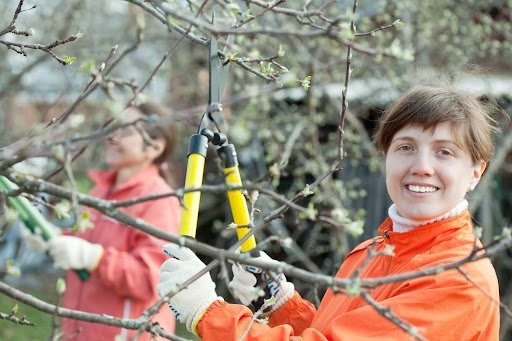
Spring is the perfect time to give your trees and shrubs some TLC. As plants wake up from winter dormancy, pruning helps remove dead or damaged branches, encourages healthy growth, and keeps your garden looking neat.
You can walk around your trees and shrubs and look for any dead, broken, or diseased branches. Thin out overcrowded areas to improve airflow and sunlight, and shape plants naturally — don’t force a style that doesn’t suit them.
Tools you’ll need to prune your trees and shrubs include hand pruners or sturdy garden shears for small branches. You may also need loppers for thicker branches, and a pruning saw for large limbs. Of course, don’t forget gloves and safety glasses for protection, and a step ladder for higher branches.
Take your time and step back frequently to check your progress. Proper pruning not only makes your garden look great but also helps your plants stay strong and healthy throughout the season.
- Prepare soil and garden beds
Healthy soil is the foundation for a thriving garden, so spring is the perfect time to give it some attention. Loosening the soil and adding nutrients helps your plants grow strong roots and flourish all season.
Make sure your first step is to check your soil’s pH and add amendments if needed. Then, loosen compacted soil and mix in compost or other organic matter to enrich the soil.
To be able to do these tasks, you’ll need a garden fork or spade for turning and loosening soil, and a trowel for smaller beds or tight spaces. You may also need a wheelbarrow for moving compost or soil. And finally, a soil test kit to check nutrient levels.
Taking the time to prepare your soil properly ensures that seeds and plants get the nutrients, air, and water they need to thrive. Well-prepared beds make planting easier and help your garden grow healthier and faster.
- Reseed bare or thin areas
After a harsh winter, lawns can end up patchy, but adding new seed fills in bare areas and brings your grass back to life.
If you notice that your lawn has bare or thin areas, loosen the soil in these spots, then spread grass seed evenly. Lightly cover with soil or compost and keep newly seeded areas moist until the grass sprouts.
To do all of this, you’ll need a seed spreader (hand or broadcast), rake, and hose or sprinkler. If you want, you can also use topsoil or compost for better seed coverage.
- Fertilize your lawn and garden plants
After winter, your lawn and garden plants need a little extra nutrition to bounce back. Fertilizing in spring gives them the boost they need for strong growth, vibrant color, and healthy roots.
To fertilize your garden, apply a slow-release, balanced fertilizer to your lawn. Feed shrubs, flowers, and other garden plants according to their specific needs and water lightly after fertilizing to help nutrients soak into the soil.
Tools you’ll need to do this garden task include a lawn spreader for even application, gloves to protect your hands, and a hose or sprinkler to water in the fertilizer.
Fertilizing might seem simple, but doing it at the right time and in the right way helps your plants recover faster and grow stronger all season long.
- Water smartly and properly
After winter, your lawn and garden need consistent moisture to recover and grow. But watering too much, or too little, can stress your plants. The key is to water smartly and properly.
Before watering, check the soil — if it’s still damp, wait a day or two. Then, water early in the morning when temperatures are cooler to reduce evaporation.
Focus on deep, infrequent watering rather than shallow daily watering. This encourages roots to grow deeper and stronger.
Additionally, adjust watering based on plant type and soil conditions — some plants need more than others.
To properly water your plants and lawn, you’ll need a hose or sprinkler for even coverage. If you choose a sprinkler, make sure it has a timer to automate watering. Another optional tool is a soil moisture meter to monitor soil dampness.
Watering the right way helps your garden recover faster, strengthens roots, and keeps your plants healthy throughout the season. With a little attention, your lawn and garden will thrive without wasting water.
- Mulch garden beds
Mulching is one of the easiest ways to give your garden a head start in spring. A fresh layer of mulch helps retain soil moisture, suppresses weeds, and regulates soil temperature, keeping your plants healthy and happy.
Start by spreading a 2 to 3-inch layer of mulch around your plants. Make sure to keep mulch a few inches away from the base of stems to prevent rot. Also, refresh old mulch if it’s broken down or uneven.
To do the mulching, you’ll need a pair of gloves to protect your hands, a wheelbarrow for transporting mulch, and a garden trowel or rake for spreading it evenly.
Mulching might seem simple, but it makes a big difference. It keeps the soil happy, reduces your garden chores, and creates a polished, cared-for look that sets the tone for the growing season.
Conclusion
Spring gardening sets the tone for the whole growing season. By tackling these tasks early and keeping the right tools on hand, you give your lawn, flowers, shrubs, and trees the best chance to thrive.
A little preparation now makes everything else — planting, pruning, and fertilizing — much easier, and your garden will reward you with a healthy, vibrant season.